

Handling your money properly is one of the the most important competences any person can master. In the current rapid financial context, knowing how to handle your individual and business monetary matters can set the groundwork for a safe and prosperous future. Whether just starting your profession, raising a community, or managing a small business, excelling in fiscal management is vital for accomplishing your goals and preserving peace of mind.
In this manual, we will examine the crucial elements of monetary oversight, offering information into its significance and offering practical methods for both people and small companies. From financial planning and aim definition to grasping cash flow and planning for contingencies, we will delve into approaches that can bring about fiscal stability and expansion. Accompany us on this venture to enhance your monetary knowledge and take control of your wealth.
Understanding Fiscal Management
Fiscal control is the process of strategizing, leading, and managing financial activities in an organization or for an entity. It includes the efficient and optimal use of resources to achieve monetary goals, whether they are short-term or future-oriented. By handling finances properly, professionals and companies can guarantee that their assets are utilized wisely, threats are lessened, and opportunities for expansion are maximized. Grasping the tenets of monetary control is vital in making knowledgeable decisions that can lead to fiscal stability and success.
The significance of financial control cannot be overstated. It acts as a structure for evaluating and monitoring financial outcomes, permitting professionals and organizations to track advancement in pursuit of their aims. Good monetary control helps to identify potential monetary concerns early, permitting for corrective actions to be taken before issues intensify. It also leads to establishing credibility and trust with stakeholders, such as investors, creditors, and staff, which is crucial for enduring growth.
In the modern rapid economic landscape, having a solid grasp of financial management principles is vital. With an ever-changing environment influenced by technological advances, market forces, and global events, being adept in financial control empowers individuals and companies to steer through challenges with confidence. It is about making strategic decisions that will beneficially impact cash flow, profitability, and overall financial health, creating a solid foundation for future aspirations and dreams.
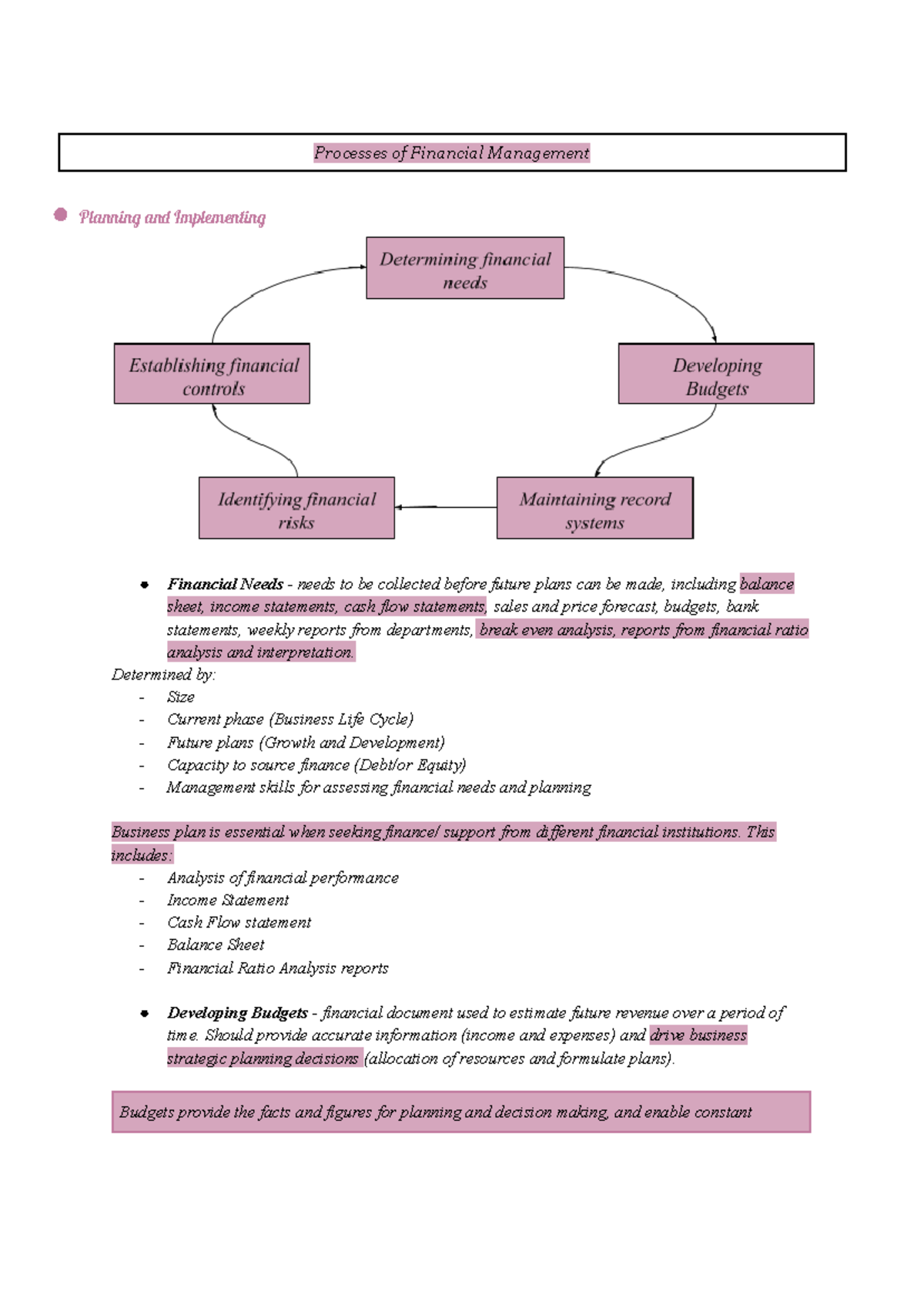
Creating a Realistic Financial Management Plan
To create a realistic financial management plan, start by evaluating your current financial situation. Gather all important financial documents, such as bank statements, investment records, income reports, and debt statements. Visit website enables you to comprehend where you lie financially. Analyze your income in relation to expenses to spot available funds that can be designated towards savings and investments. Identifying your financial status is essential to developing attainable goals and priorities.
Subsequently, outline your near-term and future financial goals. Immediate goals might consist of setting aside for a vacation or settling credit card debt, while future goals can involve retirement savings or funding your children's education. Prioritize these goals based on immediacy and importance. This clear vision will guide you in distributing resources appropriately and confirm your financial plan corresponds with your aspirations, making it simpler to stay focused.
In conclusion, define actionable steps and timelines to achieve each goal. Create a budget that reflects your income and expenses, incorporating allocations for savings and debt repayment. Consistently review and adjust your plan based on changes in your financial situation or goals. This persistent commitment to your financial management plan not just enhances your financial literacy but also fosters self-control, making sure that you are constantly advancing to greater financial stability and success.
Efficient Tactics for Monetary Success
To attain financial success, it is essential to create a well-thought-out budget that corresponds with your way of living and financial goals. Begin by keeping track of your income and expenses meticulously for a month to recognize spending patterns. Once you have a lucid picture, classify your expenses into fixed, variable, and discretionary. This will permit you to distribute your funds effectively, making sure that necessary needs are met while meanwhile setting aside money for savings and entertainment. A good budget is adaptable; assess it regularly and modify as your financial situation and goals evolve.
Creating an emergency fund is another critical component of financial success. Aim to save at least three to 6 months’ worth of living expenses to safeguard against surprise financial setbacks. Initiate by determining a specific savings goal and contribute a portion of your income regularly until you achieve that target. This fund not only supplies a safety net in case of emergencies but also offers you peace of mind, allowing you to handle your finances with more confidence. Over time, having this safety net will lower financial stress and help you remain on track with your financial objectives.
Lastly, continue to educate yourself about financial management strategies and look for guidance from professionals if necessary. The financial landscape is constantly evolving, and keeping informed about best practices can help you make more informed decisions. Attend workshops, read books, or follow credible financial experts online to improve your knowledge. Whether you are managing personal finances or running a small business, having the right information can open up new opportunities for growth and stability, ultimately leading to long-term financial success.