

GPR, or GPR, are revolutionizing the manner archaeology is conducted and understood. This cutting-edge method enables scientists to uncover concealed historical sites, artifacts, and building remains without the need for extensive excavation. Through the use of radar pulses to map the subsurface, GPR offers a non-destructive approach which facilitates the discovery of history while preserving the integrity of ancient locations. As we explore the fascinating world of ground penetrating surveys, we'll explore their applications, advantages, and their impact on the methods of archaeological practice.
In this article we will guide you through the basics of GPR, providing a comprehensive beginner's guide to understanding this innovative tool. https://posteezy.com/beneath-surface-exploring-gpr-technology ’ll discuss the key motives for conducting GPR before any digging efforts, analyze how these surveys help prevent costly delays in building endeavors, and contrast GPR against traditional utility locating methods. Emphasizing safeguards, precision, and effectiveness, we will emphasize the pivotal role of GPR in modern archaeology and various other fields, ensuring you have a comprehensive understanding of this invaluable tool.
Understanding Ground Penetrating Radar Surveys
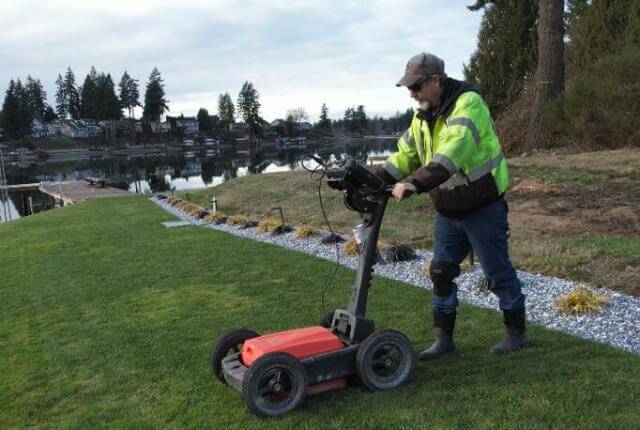
GPR, often abbreviated as GPR, is a geophysics-based technique that utilizes radar pulses to image the below-ground area. This methodology is based on the principle of propagating EM waves into the earth and recording the echoes that return from different underground formations. These echoes can offer valuable information about the dimensions, shape, and composition of underground features bypassing the need for invasive excavation.
The applications of GPR are extensive and varied, making it an important tool in many industries, including archaeology, construction, environmental evaluations, and utility locating. In historical research, this technology can uncover buried objects and remains, allowing scientists to map historical sites non-invasively. Similarly, the building industry benefits from GPR by identifying and safeguarding underground utilities, which can aid in avoiding costly disruptions during excavation work.
One of the primary benefits of Ground Penetrating Surveys is its ability to yield real-time data, enabling quick choices. Ground Penetrating Radar Surveys Acton London but also improves security by minimizing the chance of unexpected encounters with underground obstacles. As technology continues to advance, Ground Penetrating Surveys are growing more and more sophisticated, offering more accurate and thorough insights into what lies beneath the surface.
Benefits of Ground Penetrating Surveys
GPS offer significant benefits in various fields, especially in archaeological studies, building, and environmental assessments. One of the main advantages is their capability to detect subsurface features without the need for digging. This non-invasive approach allows researchers and developers to map out buried structures, artifacts, and utilities precisely, saving time and resources. By visualizing what lies beneath the surface, ground penetrating surveys reduces the risks of unintentional harm to historical sites and existing infrastructure.
Another key benefit of ground penetrating surveys is their role to security. In construction and renovation projects, understanding the location of underground utilities is essential to avoid accidents that could result from striking gas lines, water pipes, or electrical conduits. GPS provide detailed images that help contractors plan their work while avoiding these hazards. This increase in safety not only protects workers but also helps avoid costly delays and liabilities associated with utility damage.
In conclusion, ground penetrating surveys are essential for decision-making in various projects. Whether it is for environmental site assessments, archaeological studies, or urban planning, the detailed data obtained from ground penetrating surveys allows stakeholders to make knowledgeable choices based on reliable subsurface information. This capability can lead to sustainable growth and improved conservation of historical resources, ensuring that important knowledge into the past and present are honored and preserved.
Implementations and Prospects of Ground Penetrating Surveys
GPR have seen a wide range of uses across multiple fields, revolutionizing how we explore and understand below-ground conditions. In historical research, this technology allows researchers to find and examine cultural sites without disturbing the ground, revealing underlying structures and artifacts without excavation. This non-intrusive approach facilitates the protection of historical heritage and improves the accuracy of archaeological findings, thereby expanding our understanding of historical societies.
As cities continue to grow, the demand for ground penetrating radar will probably increase, particularly in the building sectors. Ground Penetrating Surveys play a key role in detecting underground utilities and evaluating site characteristics, ultimately reducing the risks of setbacks during construction and utility damages. These techniques not only save time and efforts but also enhance workplace safety by providing crucial information before digging activities.
Looking to the future, advancements in ground penetrating radar technology promise to enhance the accuracy and effectiveness of subsurface visualization. This includes the integration of AI and automated learning to interpret data more efficiently. As local governments and real estate developers recognize the many gains of Ground Penetrating Surveys, we can expect wider adoption of this cutting-edge technology, further transforming how we handle construction, infrastructure development, and site assessments. The continued advancement of GPR will be essential for secure, productive, and long-lasting growth in our increasingly complicated city landscapes.