

Within the rapidly evolving world of construction, productivity is essential to fulfilling deadlines and remaining within budget. One of the leading methods that has emerged to enhance productivity on construction sites is the use of concrete pumps. This advanced technique allows for the quick and exact delivery of concrete to areas that may be challenging or inaccessible for standard pouring methods. As construction projects become more elaborate, the need for cutting-edge solutions like concrete pumping has risen dramatically.
Concrete pumping not only speeds up the placement process but also enhances the overall standard of the work being done. From extensive infrastructure projects to housing builds, the benefits are abundant. In the following sections, we will explore the positives of using concrete pumps, compare it to traditional pouring methods, and provide insights into the diverse types of pumps available. Whether you are a seasoned contractor or a newcomer to the industry, understanding the nuances of concrete pumping can greatly influence the success of your construction endeavors.
Benefits of Concrete Pumping
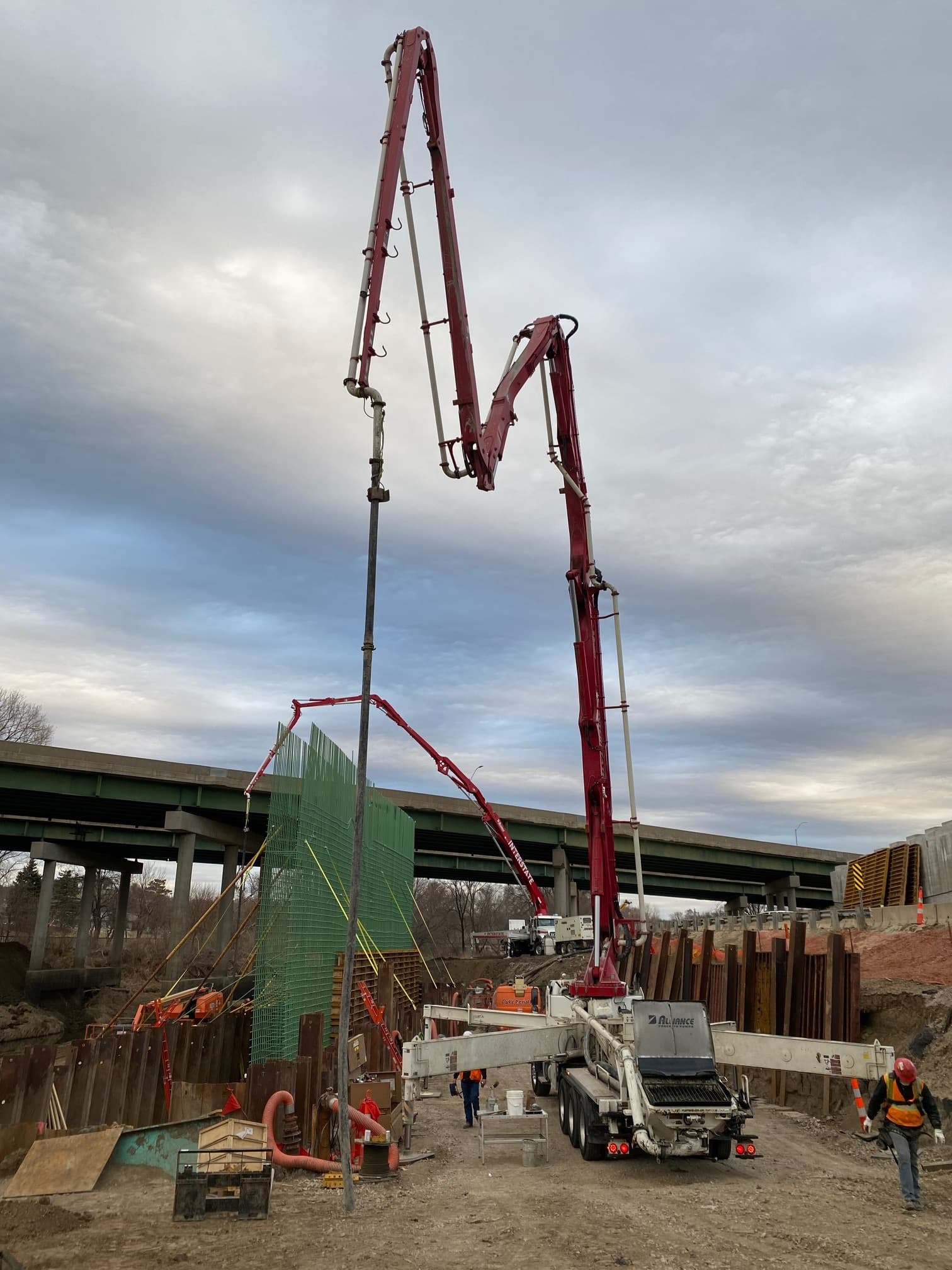
Pumping concrete offers numerous advantages that can substantially enhance building effectiveness. One of the most notable benefits is the speed at which concrete can be delivered to multiple locations on a construction area. Traditional methods often require human effort for moving concrete, which can be time-consuming. By employing a concrete pump, projects can experience faster pouring times, enabling quicker completions and the allocation of resources for alternative tasks.
Additionally key benefit of concrete pumping is its ability to access hard-to-reach areas. In many construction projects, particularly those in city settings or with intricate designs, transporting concrete to high floors or restricted spaces can be challenging. Concrete pumps, especially boom pumps, have the ability to stretch and navigate in ways that enable the pouring of concrete precisely where it is necessary. This versatility not only enhances the quality of construction but also guarantees that all areas are included without unnecessary delays.
In addition, concrete pumping contributes to minimized labor costs and lessened waste. Since pumps can precisely deliver concrete directly to the desired location, there is minimal spillage and over-ordering, which translates to substantial cost benefits. Additionally, with a reduced number of workers needed to manage the transport of concrete, labor expenses are cut down. Overall, investing in concrete pumping can lead to enhanced project timelines, cost effectiveness, and overall productivity on site.
Concrete Placement Basics
Concrete placement is a technique that enables for the effective transport of cement from a mixer to the specified location on a construction site. This process utilizes the use of dedicated equipment, including concrete pump systems, which can transport wet cement through pipes or hoses. By using concrete pump systems, construction teams can achieve a more organized workflow, reducing the time and labor usually associated with traditional cement pouring techniques.
There are two primary types of cement pump systems: pipeline pumps and elevating pump systems. Line pumps use a series of tubes to convey the concrete to the specified area, making them perfect for compact job sites or areas that are difficult to reach. Boom pumps, on the other hand, employ a mechanical arm to extend over obstacles and deliver cement to elevated elevations or farther distances. Understanding the distinction between these two different types can help contractors select the right pump for their individual needs.
Concrete placement processes are influenced by various elements, including the type of cement mix used, the distance the concrete needs to be transported, and the pump's specifications. Additionally, weather factors can play a major role, as harsh temperatures or wet weather may impact the concrete's consistency and the overall pumping process. Concrete Foundations Grassington North Yorkshire with these fundamentals guarantees that construction teams can maximize productivity and reduce potential issues during their projects.
Choosing the Appropriate Concrete Pumping Option
Determining the correct concrete pump is essential for guaranteeing the completion of your construction project. Elements such as the size of the project, the kind of concrete being used, and the site’s reach play critical roles in this choice. For smaller projects or home work, a line pump may be enough, offering versatility and affordability. In contrast, larger projects that need high-volume delivery over considerable distances often benefit from a boom pump, which can increase its range and improve effectiveness.
Consider the specifics of your project when selecting between different types of concrete pumps. If your site has tight spaces or difficult-to-access locations, a boom pump can navigate obstacles with ease, conserving time and labor. On the other hand, if you're operating on a flat site with straightforward access, a line pump may provide the optimal solution without spending too much on equipment. Recognizing the specific requirements of your project will assist you in choosing the ideal pumping option.
It’s also advisable to consult with a specialized concrete pumping company to ensure you make an informed decision. They can evaluate your project’s requirements and advise on the right equipment, based on their knowledge and skill. This can avoid common mistakes and enhance your overall productivity. By taking into account the project scale, site factors, and professional advice, you can confidently select the appropriate pumping solution for your concrete demands.